If you can't see the images please select the web version of this newsletter by clicking here.
Please save this email and forward to a friend.


10% off on First Flint River Ranch Order from New Customer

Returning Flint river Ranch Customers order here

Free Shipping!


Featured book: 8 Weeks to a healthy dog


8 Weeks to a Healthy Dog


Volume 5, Issue 12

July 2004

Flint River Cat Food

Flint River Dog Food

Dry Water Ultra for Dogs in new larger size from flint river ranch

Vim & Vigor Supplement from PetTogethers


All Our Pets July Newsletter
We dedicate this issue to an extremely critical problem for dogs during summer months.

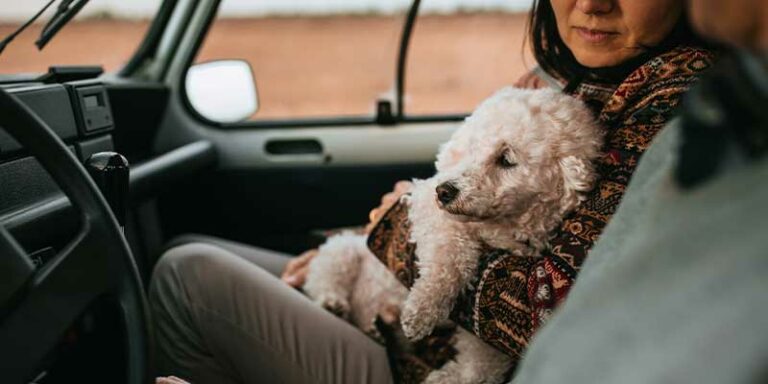
NEVER LEAVE A DOG UNATTENDED IN A CAR DURING HOT WEATHER (reprinted from parkvets.com

Introduction

Its hard to believe that a dog left unattended in a car on a hot day can suffer heat stress and ultimately a fatal heat stroke within an amazingly short time - less than 10 minutes on sunny day.

Why it happens

On a hot day the temperature inside a stationary car can rapidly increase to double that on the outside, this can happen within six to ten minutes depending on the weather conditions. [Try it out on yourself sometime when its hot. With the windows closed, hot sunshine can make your car take on suana like qualities in minutes - time yourself to see how long you can bear it before you have to leave. Its a salutory lesson about this problem.]

To add to their problems remember that most dogs have a thick coat of hair designed to trap heat, plus they can't sweat and can only shed heat by panting. [Repeat the above experiment but this time wear a full length coat, scarf, thick socks and wellies.] You will now begin to realise why they succumb to the effects of heat stroke so quickly.

Leaving windows down or providing bowls of water will not stop heat stroke from happening.

Dogs experiencing heat stroke go through a number of stages.

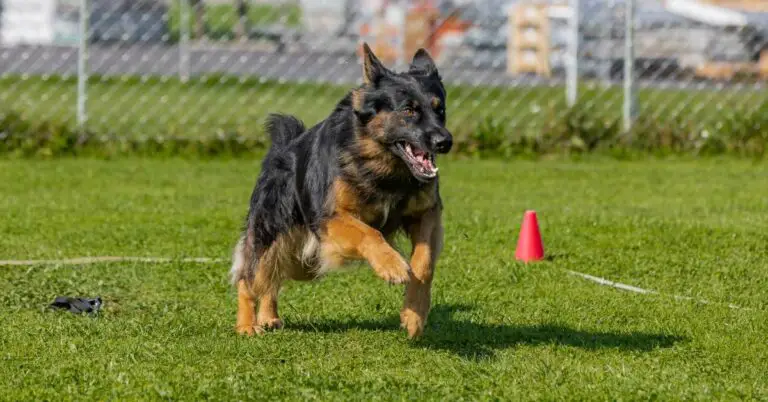
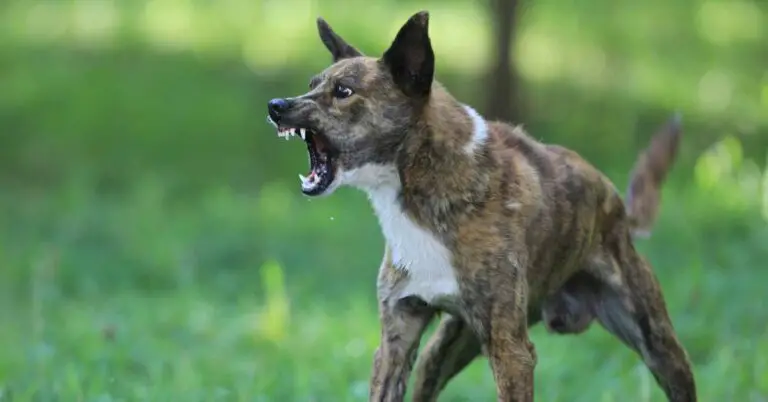
Initially they will show increased activity with panting accompanied by barking or whining. The dog will be obviously agitated. The panting becomes excessive and and laboured with copious drooling of saliva being seen.
The next stage is where the dog is obviously struggling to breath, it may appear glassy eyed and have dark red gums. Beyond this point the dogs body temperature will have reached the point of where cell death in the brain results in seizures, coma and ultimately death.
If heat stroke is identifed early it can be quickly reversed by cooling the dog down, but once the critical temperature is reached the body's thermoregulatory mechanisms fail and the consequent circulatory collapse and organ damage will often mean that even with intensive veterinary care your pet will ultimately die. Prevention is better than cure.

Summary

Never leave your dog unattended in a car, even for a short while when it's warm or hot outside.

If you do see a dog left in a car on a warm day and it appears to be distressed, call the RSPCA or the Police. They will take the appropriate action, if necessary breaking into the car to release the dog.

If you should have to leave a dog in a car for a short time, leave a note stating your time of return. Otherwise an embarrassing rescue operation may be launched by a concerned passerby.


Flint River Ranch has just introduced a 9 pound size of its very popular Dry Water Ultra for Dogs, the dry food that replaces canned food when a little bit of water is added. This food is perfect for dogs who have difficulty chewing (due to age) as a sole food source - and great to add to other Flint River Ranch kibble as a warm and moist treat. Remember - there is no can to put back in the fridge, and no waste. Use only as much as you need for a meal.

HEAT STROKE IN PETS, by Patricia Schenck, DVM, PhD


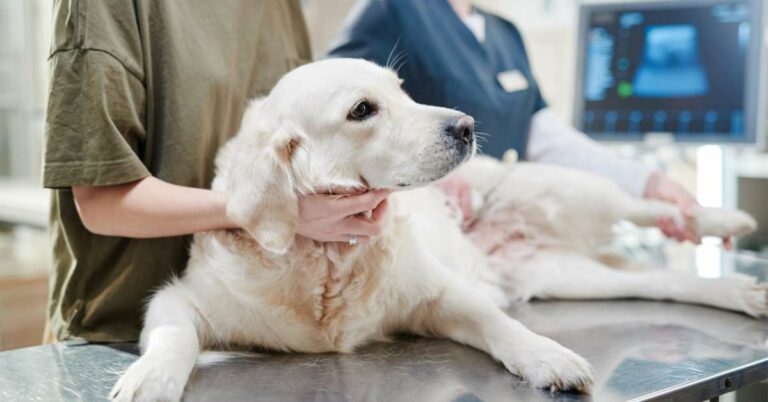
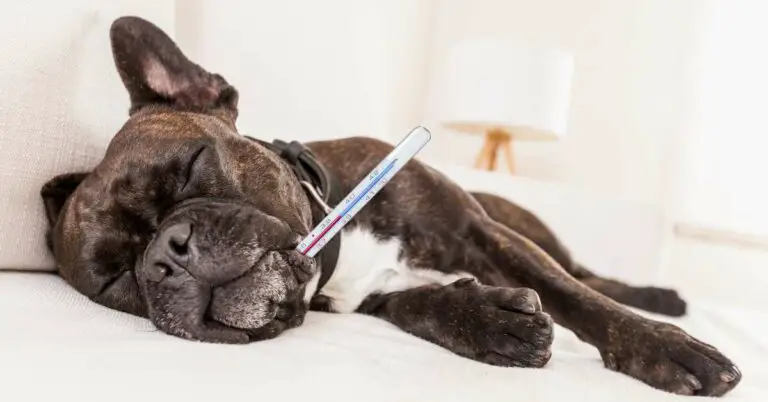
Pets with heat stroke usually present with extreme panting, excessive salivation, and dark-colored gums. Most will be stuporous, and may seizure. Body temperature is often over 106 F. The key to successful recovery from heat stroke is early detection and treatment. The most important thing is to decrease the pet's body temperature. Remove the pet from the hot environment if possible. If outside, place the pet in the shade. The animal should be kept quiet and sprayed down with cold water. If possible, a fan should be set up to blow on the pet, which will increase the evaporation of water, allowing for increased heat dissipation. As the pet dries it should be sprayed again to maintain heat loss through evaporation. The most important areas of the dog or cat to cool are the inside of the upper thigh where the leg meets the body, the armpits, and the base of the brain. These are areas where major blood vessels are closest to the skin surface, so applying ice packs to these areas will help decrease blood temperature the fastest. Ice should not be applied directly to the skin, but should be wrapped in a cloth to prevent skin damage. The animal should not be totally immersed in ice, since the extreme cold may actually lead to vasoconstriction which will decrease the dissipation of heat.

Heat stroke is a serious condition. The animal should receive veterinary attention as soon as possible, after the initial attempt has been made to decrease the body temperature. Intravenous fluids will usually be administered to combat dehydration and prevent shock. Supportive care and monitoring is very important in heat stroke victims, since life-threatening sequelae often develop following the episode of hyperthermia. Acute renal failure is the most serious complication, resulting from the direct effects of heat on the kidneys. The prognosis for heat stroke victims is variable, and depends on the treatment given and the complications that arise. Many victims will have residual neurologic deficits, and animals that recover are predisposed to recurrent episodes of heat stroke. Early treatment and recovery are most important, since the longer the animal is hyperthermic, the greater is the chance of cell membrane and enzyme damage.

Common sense goes a long way in the prevention of heat stroke. In the hot summer months, let your pet stay home, rather than riding around town with you in a hot car. The inside of a closed car can get very hot in just that few minutes it takes to run into a store. When pets must travel in hot weather, keep them cool, with access to plenty of fresh water at all times. Outside summer dog shows present many opportunities for heatstroke to occur if the temperature and humidity are high. If the dogs must stay in the car, keep them in crates with the doors and windows open. Set up a fan to increase air circulation if possible. Park in the shade, or put a sun-reflective tarp over the car to decrease heat build-up. When setting up outside, either keep the dogs in the shade, or provide them with shade using a mesh tarp that allows air to circulate through. Make sure they have access to water. Wet the dogs down when they are finished being shown if possible. Many more clubs are providing bags of ice at ringside, wading pools or dog-wetting facilities during the hot months, which is a wonderful service. Make use of them. If you are a member of a show-giving club, demand that your club do the same. It may just save a life.


You are receiving this newsletter because you ordered products or requested information from All Our Pets. If you would prefer not to receive these sorts of mailings please reply with "remove" in the subject line.