
10% off on First Order from New Customer

Free Shipping!


Featured book: 8 Weeks to a healthy dog


8 Weeks to a Healthy Dog


Volume 6, Issue 4

November 2004

Flint River Cat Food

Flint River Dog Food


All Our Pets distributes Flint River Ranch


What's in this issue of All Our Pets Newsletter?

  • Give your Dogs the Gift of Freedom (on a leash)
  • Keeping your Pets Healthy and Safe during the Holidays
  • Flint River Ranch Jubilee Wafers with Glucosamine for Healthy Joints
  • Antifreeze and Pets: How to avoid Poisoning your Pet

All Our Pets would like to wish all of our readers and customers a very Happy Thanksgiving!


Give your Dogs the Gift of Freedom (on a leash)
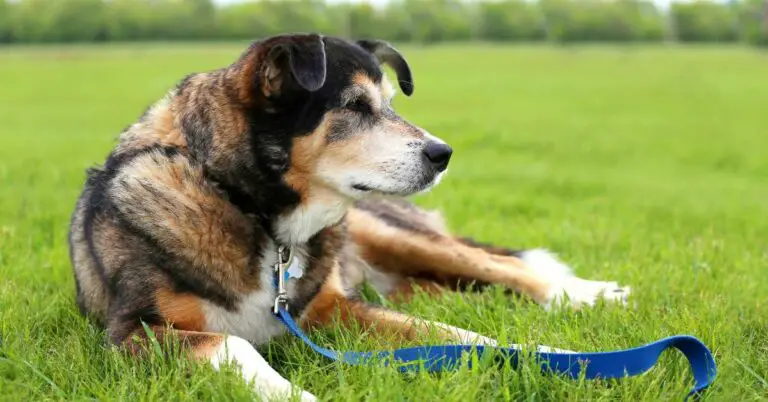
. All Our Pets now offers flexible retractrable leashes for dogs of all sizes and weights. These are sturdy and durable and attractively priced. For more info or to order: click here.


Keeping your Pets Healthy and Safe during the Holidays

Many household plants popular during the holidays are poisonous to dogs and cats. These include poinsettias, mistletoe, holly, and amaryllis. Always keep these plants out of your pet's reach or away from your home.

Treats can also be dangerous. Never give chocolate to a pet as it is one of the most toxic substances a pet can consume. It contains theobromine, a substance similar to caffeine. Even small amounts of theobromine can cause vomiting, diarrhea, hyperactivity, seizures, rapid heartbeats, coma, muscle tremors, and even death.

In addition to chocolate, avoid giving nuts to pets as nuts pose a possible choking hazard and can cause a severe intestinal upset.

Also, avoid feeding anything containing sugar, as excessive sugar can upset pets' insulin levels and lead to diabetes. Plastic or aluminum candy wrappings are also dangerous. Consumption can cause intestinal upset or even an intestinal obstruction. Alcohol can also prove toxic to pets. (Deena Caruso - guest writer)

Flint River Ranch Jubilee Wafers with Glucosamine and Chondroitin for Healthy Joints

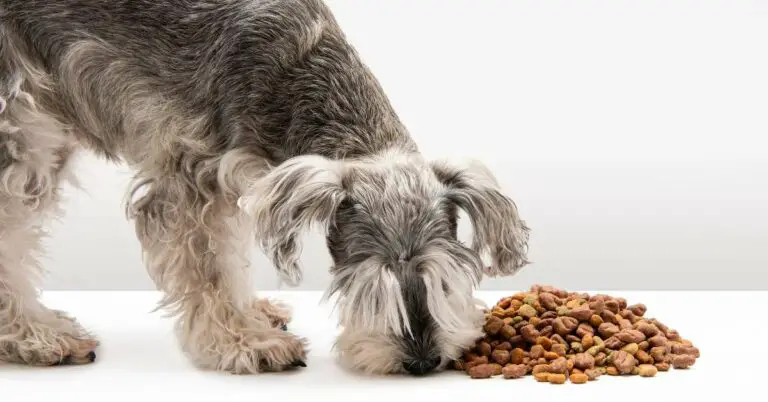
Flint River Ranch Jubilee Wafers can be used to supplement your dog's regular food or as a special treat. They should be used as part of a complete care program as a dietary supplement. They contain chrondroitin sulphate and glucosamine HCL, and are specially formulated for dogs to help inhibit cartilage degradation and to benefit any dog that has experienced severe joint trauma. Best of all, nearly all dogs love these highly palatable biscuits - and even better - they are formulated to be a complete and balanced diet and not just for older dogs.

For more info or to order: click here. Remember to order your Pet food early since shipping is slower during the holidays. Reorder at: flintriverstore.com.


Antifreeze and Pets: How to avoid Poisoning your Pet

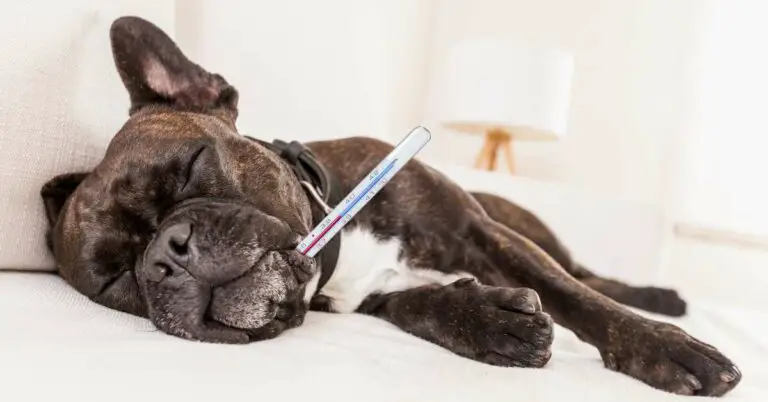
Pet owners wouldn't think of feeding a spoonful of poison to their beloved pets. Yet, these same people may be unwillingly poisoning their pets by leaving antifreeze out for their pets to get into. Whether it's in a puddle on the garage floor or in an open container, antifreeze can attract and kill household pets. Antifreeze poisoning in dogs and cats is especially common when people change the antifreeze in their car radiators. Animals often are drawn to this sweet-tasting liquid out of curiosity. Pets who live outdoors may find the only "water" available is the puddles where radiators were drained.

The toxic agent in commercial antifreeze is ethylene glycol, a colorless, odorless liquid that makes up 95% of antifreeze solution. After ingestion the poison is rapidly absorbed from the digestive tract and within 20 to 30 minutes vomiting, depression, lack of coordination, and weakness occur. The prognosis for animals poisoned with ethylene glycol depends on how much was ingested, the size of the animal, and when treatment was started. If not treated immediately, the animal may experience severe kidney damage, could lapse into a coma, and may die, all within 24 hours of ingestion.

Acute cases (within 12 hours of ingestion) often present as if the animal was intoxicated with alcohol: stumbling, vomiting and depression are common signs. The kidneys are most severely affected, and even if the animal seems to improve initially with treatment, they may succumb shortly after to kidney failure. The kidneys shut down, and the animal is unable to produce urine. This type of kidney failure usually happens 12-24 hours after ingestion in cats, and 36-72 hours post ingestion in dogs. Success of treatment is dependent upon quick treatment. If you suspect that your animal has come into contact with antifreeze, contact your veterinarian immediately.

For the safety of your pets, dispose of antifreeze properly. Drain antifreeze into a container that can be closed and take it to a service station for disposal. Thoroughly clean any surfaces where antifreeze was spilled. When storing antifreeze, make sure there are no leaks and the lid is on tight!

Some companies are now offering antifreeze formulated without ethylene glycol. A safe alternative to Ethylene Glycol antifreeze is available, it is called propylene glycol, and while it does cost a small amount more than 'regular' antifreeze, it is worth the piece of mind. Investigate alternatives now available, but read the labels carefully and understand the risks involved with the product you use.

If you see your pet drink even a tiny amount of antifreeze or observe any signs of poisoning.
DO NOT WAIT. TAKE YOUR PET TO YOUR VETERINARIAN IMMEDIATELY! IF NECESSARY GO TO THE LOCAL EMERGENCY CLINIC IF YOUR VETERINARIAN IS NOT AVAILABLE.
reprinted from PetsChoice.com and VetMedicine.com.


You are receiving this newsletter because you have asked for and received information or ordered products from AllOurPets.com. If you do not wish to receive it simply reply to this message with "remove" in the subject line. Please be assured that we maintain complete privacy and do not sell our subscriber information to anyone. If you appreciate the information contained herein, please forward it to your friends. Thanks, Dika Golovatchoff, Editor All Our Pets Magazine.