![]() |
![]() |
![]() |
![]() |
![]() |
||
| Receive our Free Newsletter | ||||||
Cranial cruciate ligament ruptureCranial cruciate ligament rupture (CCL) is the tearing of an important ligament in the stifle joint (knee), resulting in partial or complete joint instability, pain, and lameness. |
![]() |
||||||||
|
Torn ligaments retract, do not heal, and cannot be
repaired completely. If the injury is not treated, damage to connective
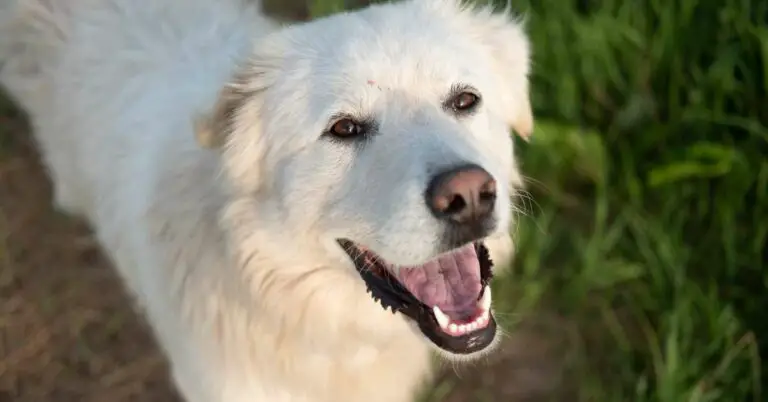
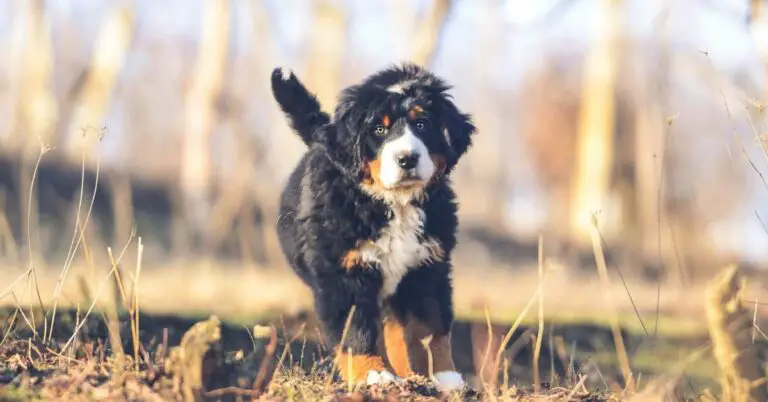
tissues and degenerative joint disease often results. Anatomy Four major ligaments (dense bands of fiber) support and stabilize the stifle joint by connecting the femur to the tibia and the joint capsule to the bones. The medial and lateral collateral ligaments are located outside the joint and the caudal and cranial cruciate ligaments are located inside the joint. The cranial cruciate ligament (CCL) attaches to the femur, runs across the stifle joint, and attaches to the tibia. The CCL holds the tibia in place and prevents internal rotation and hyperextension. The meniscus (fibrocartilage located between the femur and tibia) absorbs impact and provides a gliding surface between the femur and tibial plateau. The patella (kneecap) protects the tendon of insertion of the cranial thigh muscles. Incidence and Prevalence CCL is one of the most common orthopedic injuries in dogs and is the most common cause of degenerative joint disease in the stifle joint. Female dogs (especially spayed), overweight, and poorly conditioned dogs have a higher incidence. CCL rupture occurs in dogs of all sizes, but is most prevalent in large and giant breeds including:
Causes Acute rupture of the cranial cruciate ligament (CCL) is caused by sudden, severe twisting of the ligament. The injury usually occurs when the animal steps in a hole while running or turns with its paw remaining planted. The twisting motion causes the ligament to hyperextend or rotate excessively and partially or completely rupture. The meniscus is often damaged as well. Chronic rupture occurs after the ligament has degenerated with age. The fibers weaken and partially tear, the joint becomes unstable, and degenerative joint disease develops. A partially torn CCL eventually tears completely. Risk Factors
The goal of treatment is to alleviate pain and increase use and mobility. Factors to consider when planning treatment include the following:
Conservative Losing weight reduces stress on the joint. The recommended diet has a low fat, protein, and calcium content and is given at specific times of the day. Rest and confinement for 4 to 8 weeks alleviates inflammation. Short walks on a leash are permitted. Drugs Buffered aspirin is used for long-term conservative treatment. Side effects may include gastric complications such as ulceration, vomiting, diarrhea, loss of appetite, and bloody stools. Giving aspirin with food can reduce or prevent side effects. Carprofen (Rimadyl®) is an anti-inflammatory painkiller used to treat joint pain. Side effects can include nausea, diarrhea, constipation, and loss of appetite, and if they occur, the veterinarian should be notified. Tests to monitor liver function may be necessary because long-term use may cause idiosyncratic liver problems. Rimadyl is not given concurrently with other NSAIDs or with corticosteriods because the risk for side effects increases. Nutraceuticals The supplements are promising and are available in tablet or capsule under these names: SynoviCre®, Glycoflex®, and Arthramine® (all contain glucosamine); Adequan® (contains chondroitin and glucosamine), and Cosequin® (contains chondroitin, glucosamine, and manganese). Glucosamine can be injected directly into the joint or into a vein and works more quickly than the oral form. An uncommon side effect is gastrointestinal upset; taking the supplements with food can help. If upset continues or if there is no improvement within 6 months, other treatment methods are required. Taking the supplements with aspirin may cause problems in forming blood clots. Surgery Multiple surgical procedures are available, all with comparable results. The surgeon's expertise and the size and type of the dog determine the surgical technique used to replace the function of the torn ligament. In all procedures, the joint first is opened and the remnants of the CCL are removed. The meniscus is assessed and if damaged, it is removed. The joint is flushed and closed, and the surgeon stabilizes it. Scar tissue forms, providing additional joint stability. Extracapsular imbrication technique
Fibular head transfer Tibial plateau leveling Complications Fluid may build up at the site of the incision (seroma) and must be drained (aspirated). Sometimes animals have a reaction to the material used to suture the incision or a bump forms over the pin. Sutures or pins may have to be removed. After surgery, the animal should rest until the joint is fully healed to avoid re-injury. The joint may be unstable or the surgical repair may fail and another surgery may be required. Up to 40% of animals have a ruptured CCL in the other hind leg within 18 months after surgery. Up to 15% require additional surgery to repair damage to meniscus. After care Pain medication may be necessary. A cold pack applied several times a day for brief periods helps to decrease swelling and control pain. The animal must be confined and activity strictly limited for several weeks after surgery. The diet should be modified to prevent weight gain. The animal is initially allowed outside only to eliminate. Subsequent exercise may be gradually increased after a 6-week follow-up. Normal activity usually resumes within 2-3 months after surgery. If the CCL in the other stifle joint is ruptured, surgery is postponed until the repaired joint recovers fully. Prognosis Animals may experience stiffness and lameness for
months to years after surgery, especially if degenerative joint disease
progresses. Vigorous exercise and long periods of rest may worsen lameness. -------------------------------------------------------------------------------- Important Disclaimer: The
stories and information on this site are not meant to diagnose or prescribe
for you. If you or your pet has a medical problem, you should consult
your medical doctor or veterinarian. The ideas and information on this
site have not been endorsed or approved by the FDA. In no event shall
the owners of this website be liable for any damages whatsoever resulting
from any action arising in connection with use of this information or
its publication, including any action for infringement of copyright
or defamation. The decision to use, or not to use, any information is
the sole responsibility of the reader. Opinions expressed here are those
of individual contributors. This web site does not verify or endorse
the claims of contributing writers.
We encourage our readers to consider the fine quality natural dog and cat foods from Flint River Ranch.
|
|
Site design: digolov
design internet consultants |